
Late Queen overturned historic rule and changed Prince Louis' name
It affected all of her great-grandchildrenThe late Queen Elizabeth II stepped in to overturn a historic royal rule before Prince William’s children were born – and it effectively changed Prince Louis‘ name.
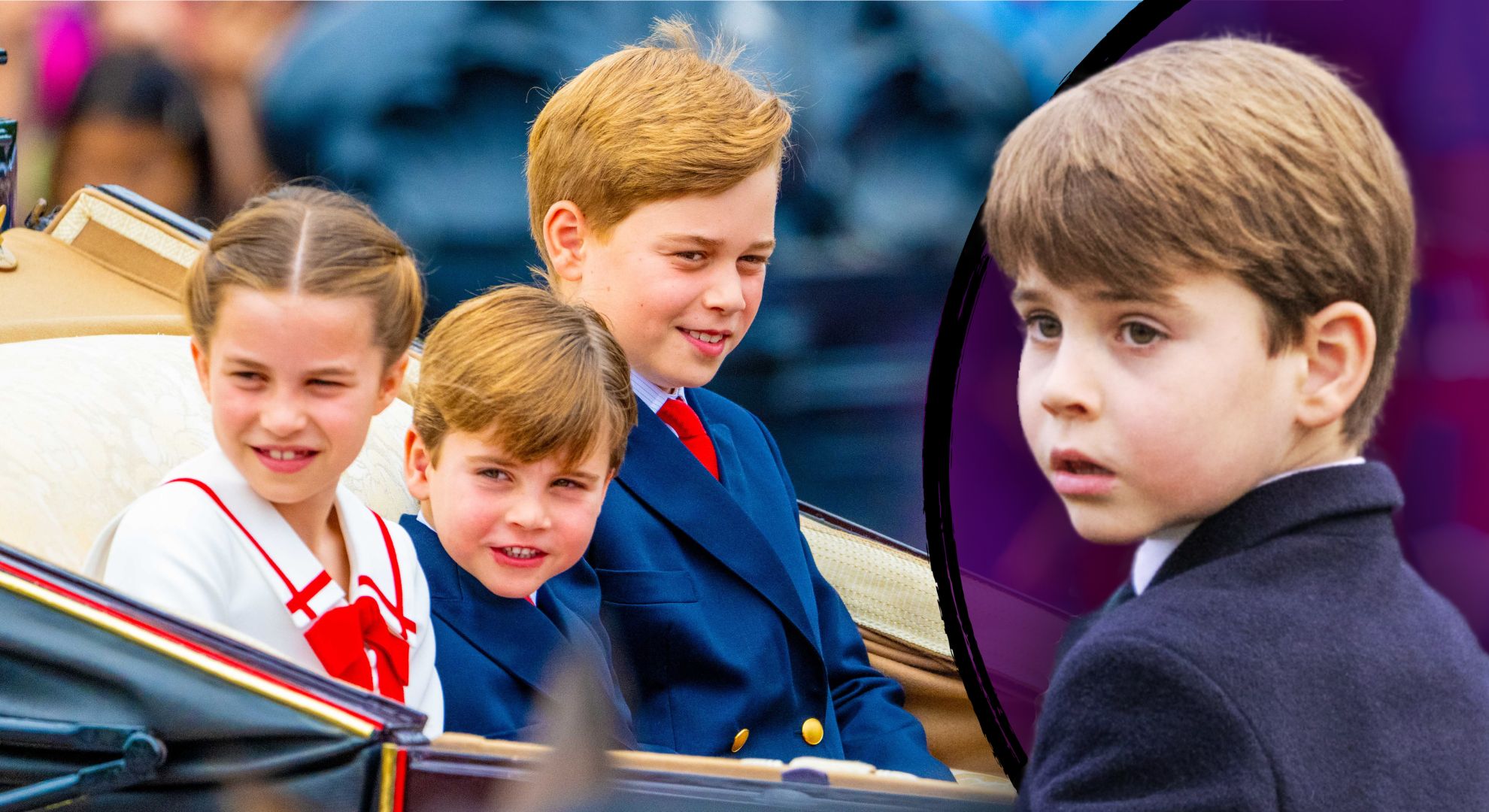
Prince William and Kate Middleton welcomed their youngest son on April 23, 2018. Born Louis Arthur Charles, the young prince’s name was in honour of his grandfather’s mentor and the monarch himself.
The Prince and Princess of Wales have three children together, Prince George, Princess Charlotte and young Louis. However, before he was born, the late queen wanted to overrule a decision put in place by her own grandfather, King George V.
Queen Elizabeth II’s choice to change rule that affected her great-grandchildren’s names

In 1917, King George V put in place a longstanding rule that determined which royals were allowed to have titles. He decided only those at the top of the line of the succession would have automatic HRH (His/Her Royal Highness) titles.
King George V decided only the sovereign’s children and grandchildren would be a Prince or Princess. When it came to grandchildren, it would only be if they were born through the male line – meaning the eldest son of the eldest son. It did not include great-grandchildren and if it was in place today, this would only extend to William and Harry, leaving out their children, including Archie and Lilibet.
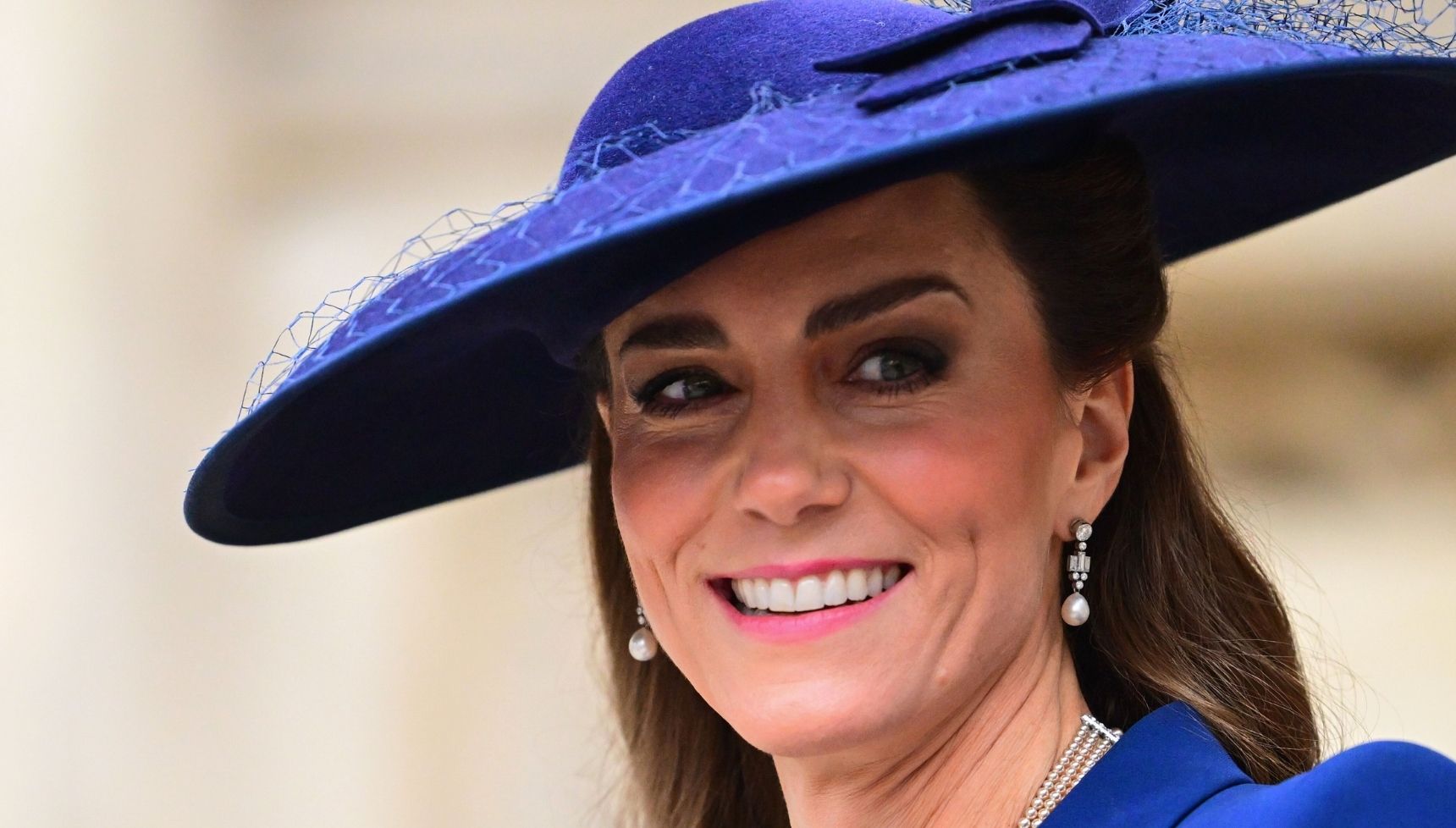
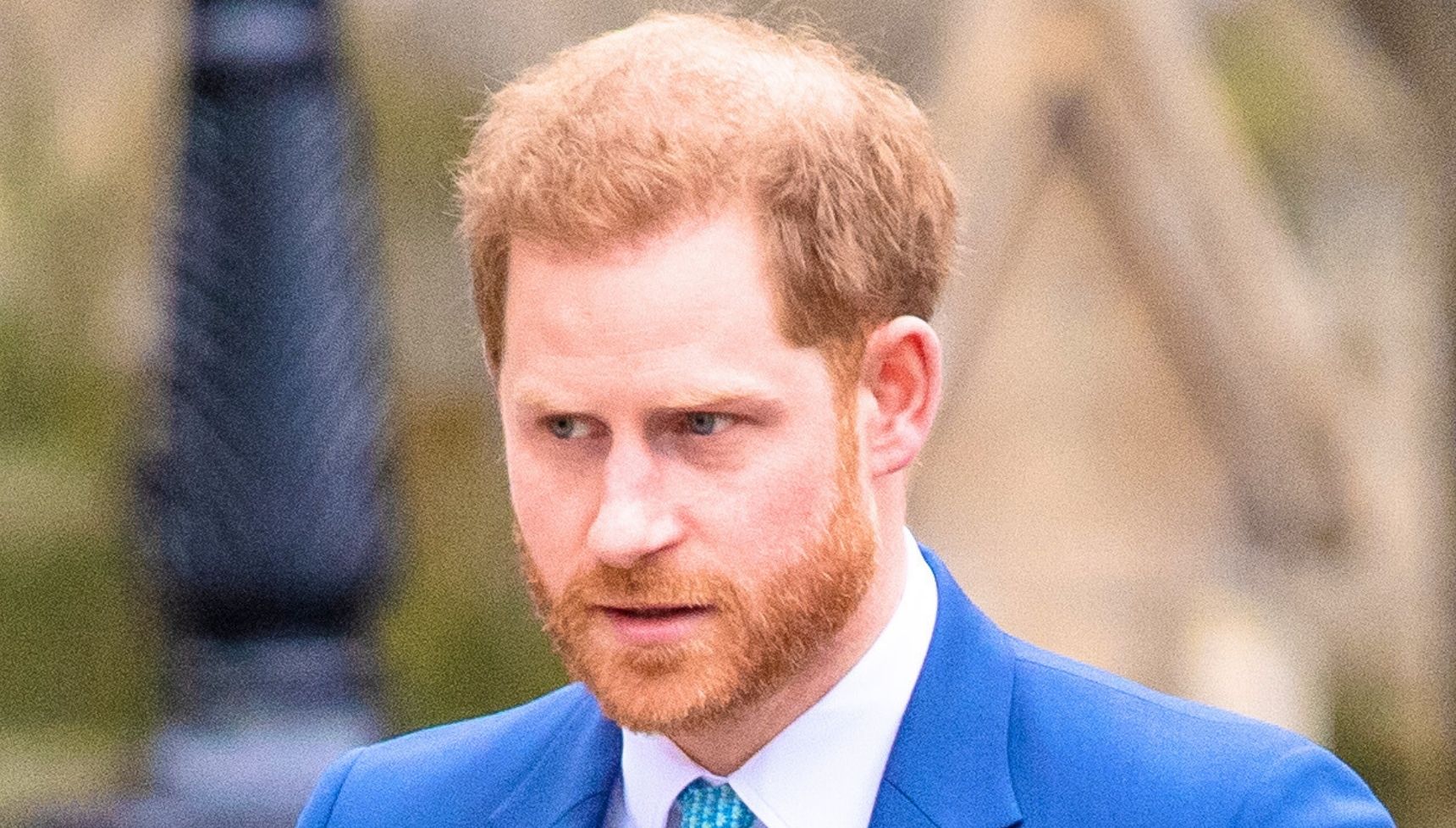
In 2012, Queen Elizabeth II overturned this rule, which had been in place almost 100 years. In doing so, it meant all of Kate Middleton and William’s children would have HRH and Prince/Princess titles. It benefitted Princess Charlotte and Prince Louis, otherwise there names would be different when they were born. The Letters Patent of 2012 decreed all children of the eldest son (William) of the Prince of Wales (Charles), not just his eldest son (Prince George).
As the rule change did not extend to great-grandchildren’s names, Archie and Lilibet were not known as Prince or Princess when they were born as Queen Elizabeth II was still the monarch. When King Charles III ascended to the throne, they could adopt HRH and prince and princess titles, because they were the grandchildren of the sitting monarch.

Prince Louis’ name would be different if the rule wasn’t in place
Now, if the Queen didn’t step in to make this rule change, Prince Louis would have a different name.
Don't miss a single story! Add us as a Preferred Source in Google for all your royal news
The young royal would be called Master Louis Cambridge or Master Louis Windsor.
Cambridge is linked to the Cambridge titles William and Kate used before they became the Prince and Princess of Wales in 2022. The titles were a gift from the late queen on their wedding day in 2011.
It would be the same scenario for Princess Charlotte as well – she would have been styled Lady Charlotte Windsor, similarly to her cousin Lady Louise Windsor, the daughter of the Duke and Duchess of Edinburgh.
Louis’ full name is Prince Louis Arthur Charles – being named after Lord Louis Mountbatten, Charles’ mentor, who passed away in an IRA bombing in 1979. His middle names Arthur and Charles is in tribute to his grandfather King Charles – whose full name is Charles Philip Arthur George.

Meghan Markle was upset Archie wasn’t made a prince sooner
The queen’s decision to change the longstanding rule didn’t benefit Prince Harry’s children with Meghan Markle, Archie and Lilibet.
When the duo sat down with Oprah Winfrey in their bombshell 2021 interview, she brought up the notion that Archie was not a prince. The former actress, who was pregnant with Lilibet at the time, said it affected the level of security he would have received.
She claimed: “They were saying they didn’t want him to be a Prince or Princess, which would be different from protocol, and that he wasn’t going to receive security. This went on for the last few months of our pregnancy where I was going, hold on for a second. They said [he’s not going to get security], because he’s not going to be a Prince.
Read more: Prince Harry’s deep concerns for Princess Charlotte and Prince Louis’ futures
“Okay, well, he needs to be safe, so we’re not saying don’t make him a Prince or Princess, but if you’re saying the title is what’s going to affect that protection, we haven’t created this monster machine around us in terms of clickbait and tabloid fodder you’ve allowed that to happen which means our son needs to be safe.”
However, her comments sparked fury with royal experts who pointed out it wasn’t the case of ‘choosing’ to not make Archie a Prince, but that the rule did not extend to Harry’s children at all. They denied her claims it was ‘different from protocol’ as the rule had been in place since 2012, seven years before Archie was born.
When Charles became king, Archie and Lilibet became Prince and Princess.
What do you think of Prince George’s other name if the rule wasn’t changed by the Queen? Leave us a comment on our Facebook page @RoyalInsiderOfficial.